Artem Gorokhovsky
Senior Product Designer
0   /   100
Head of Ux / Ui Design

Overgear

Scroll Down
Role
Head of Design
Start
Jul 2023
Finish
Jun 2026
Website
www.overgear.com

The Company

Overgear is a marketplace for game services and in-game currency, connecting professional players directly with customers. Pro players monetize their skill, while customers save time on the grind and get through a game's hardest moments alongside players who've already mastered it.

400
Active users
5
Vetted pro players
30
Annual GMV

Problems

Design System Chaos

Four different lead designers rotated through in a single year, each layering in their own style instead of standardizing what came before. What was left wasn't a system, just fragments, and it showed directly in delivery speed and quality.

A Team of One

Vera, the team's only product designer, spent most of her time stuck in approvals rather than actually designing. There was no research function to speak of, no way to validate decisions beyond gut feel and sign-off cycles.

Siloed Reality

Product, marketing, and leadership were each operating on their own version of reality, with no shared visibility across teams. Every department built its own plans independently, rather than working from one shared picture.

New Processes

Team & Roadmap

Working with the product team was a real stroke of luck. Vera and our POs were sharp and easy to sync with from day one. We quickly built a short-term roadmap alongside a longer six-month view, and soon had regular research running at a steady pace.

Design System & Dev Sync

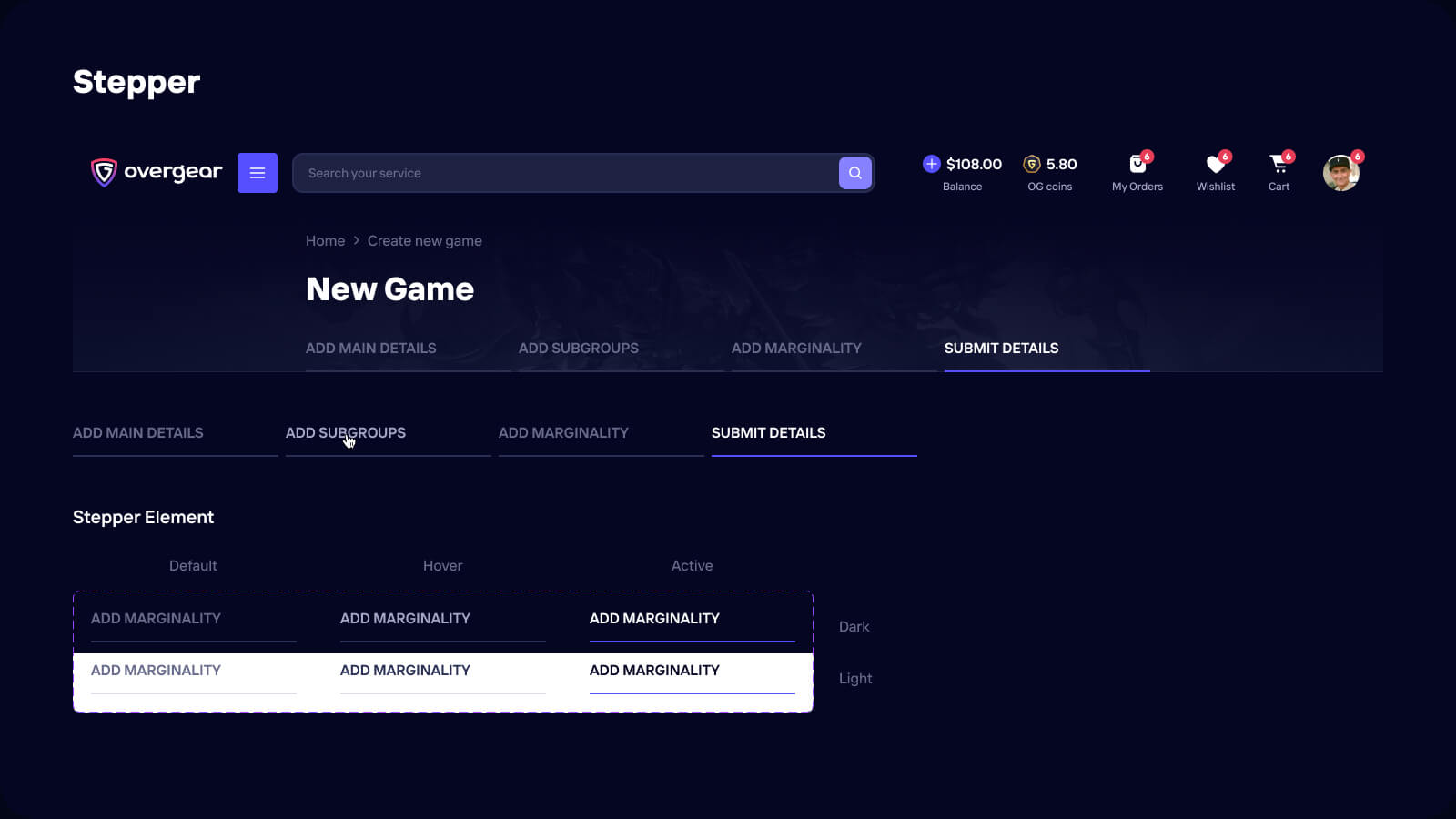
In parallel, we synced with engineering and agreed to standardize the existing component base, checking it against Storybook on a regular cadence going forward. That gave both sides a shared foundation to build from, instead of drifting further apart.

How We Worked

Within a couple of months, our day-to-day ran on Mixpanel and Hotjar, plus regular time in support, tracking recurring issues and looking for patterns. Mondays were for planning, Thursdays for a design demo, and two product teams, Activation and LTV, each ran their own dailies and a monthly demo, with one product designer attached to each: me and Vera. After a year and a half, we swapped teams entirely, so each of us built a fuller picture of the product, not just our own corner of it.
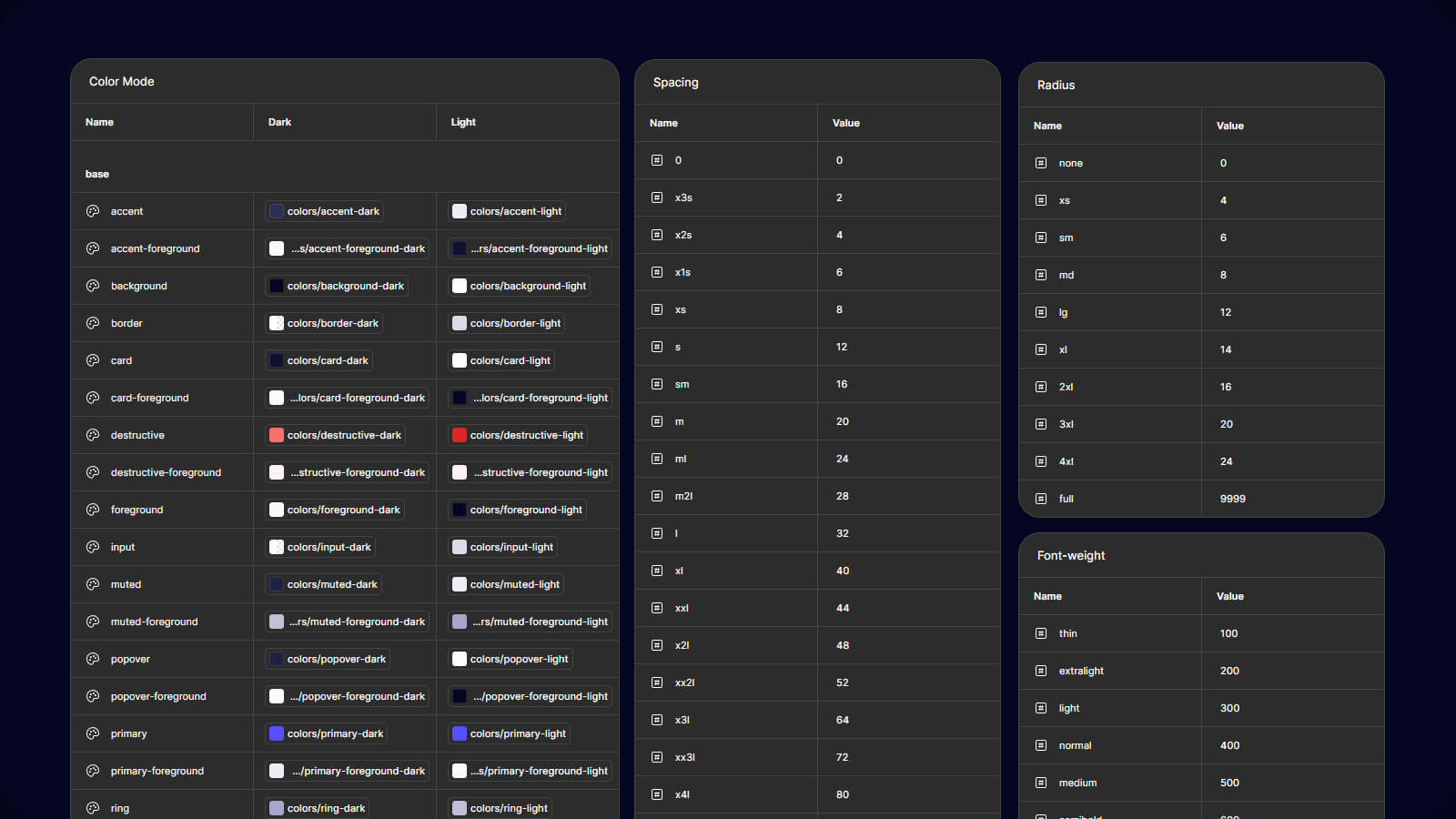
Token Economy

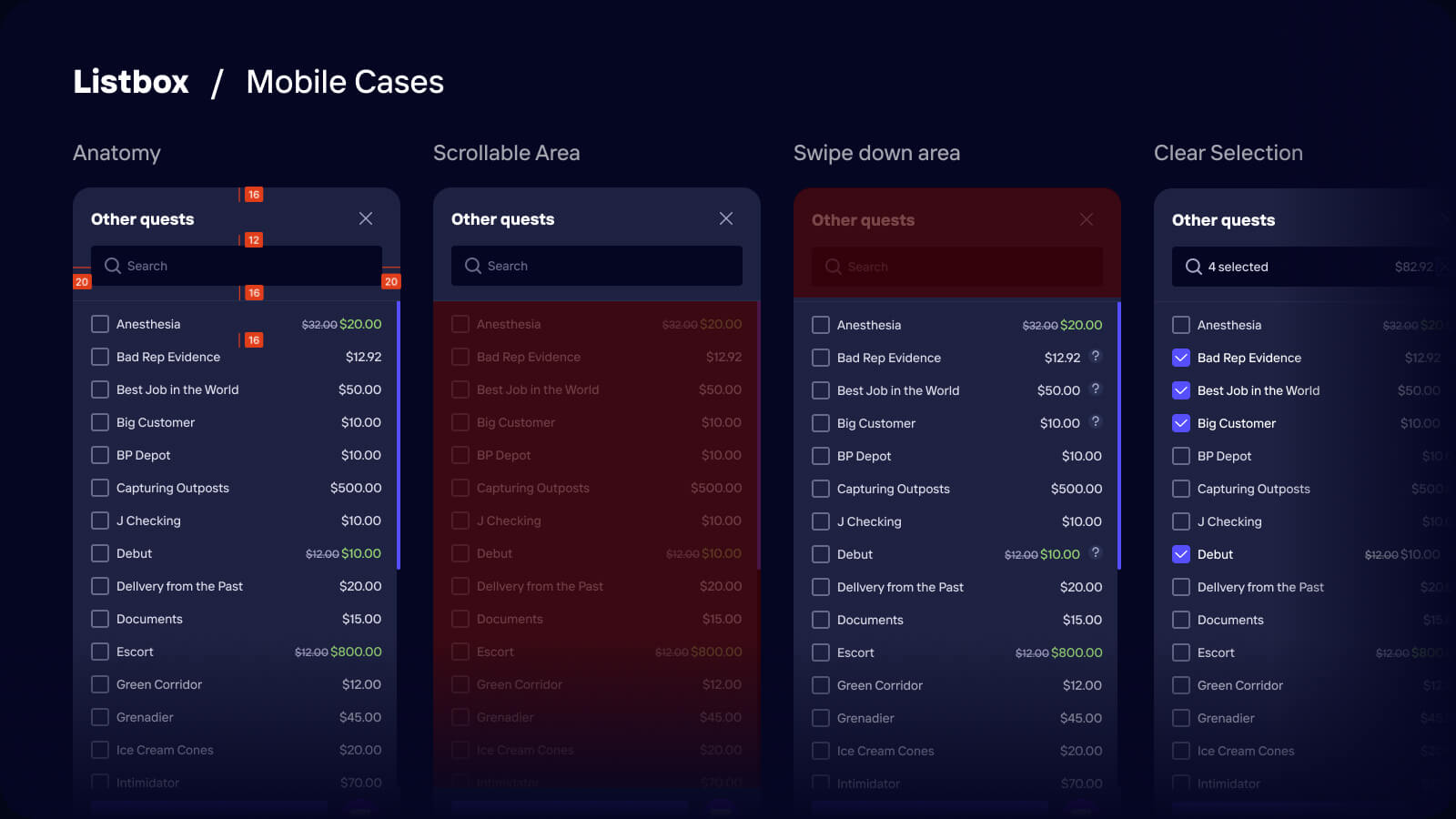
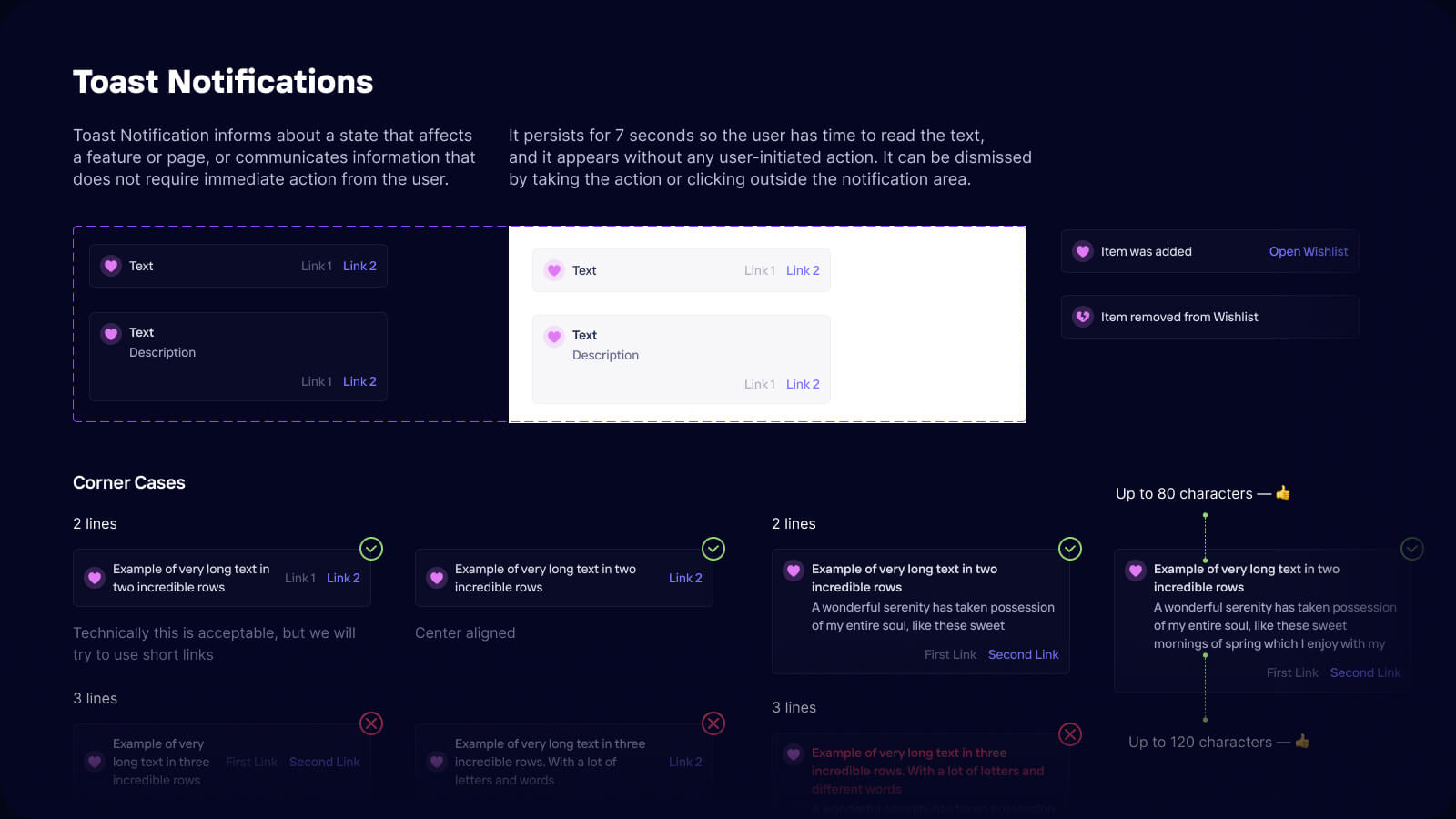
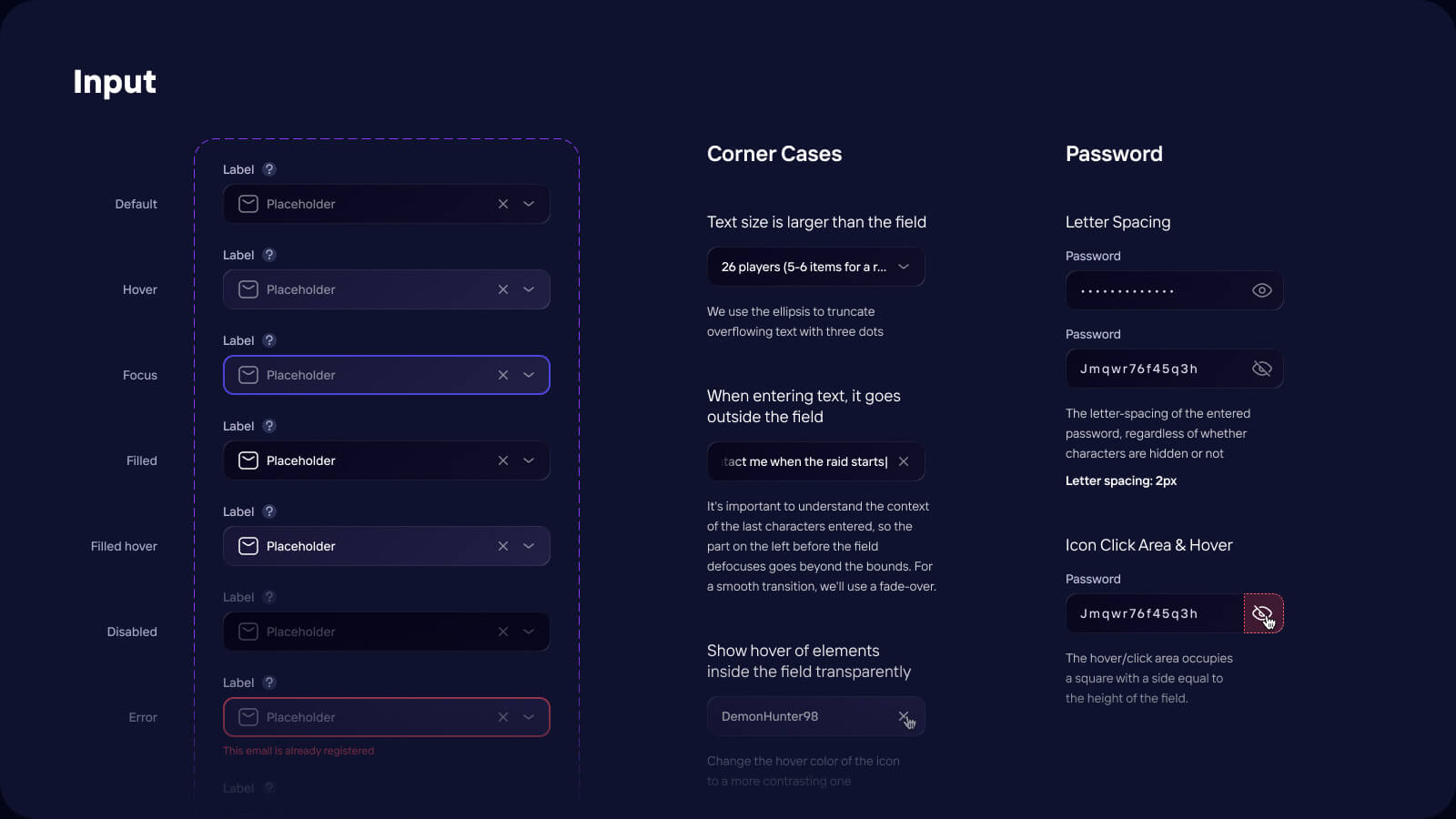
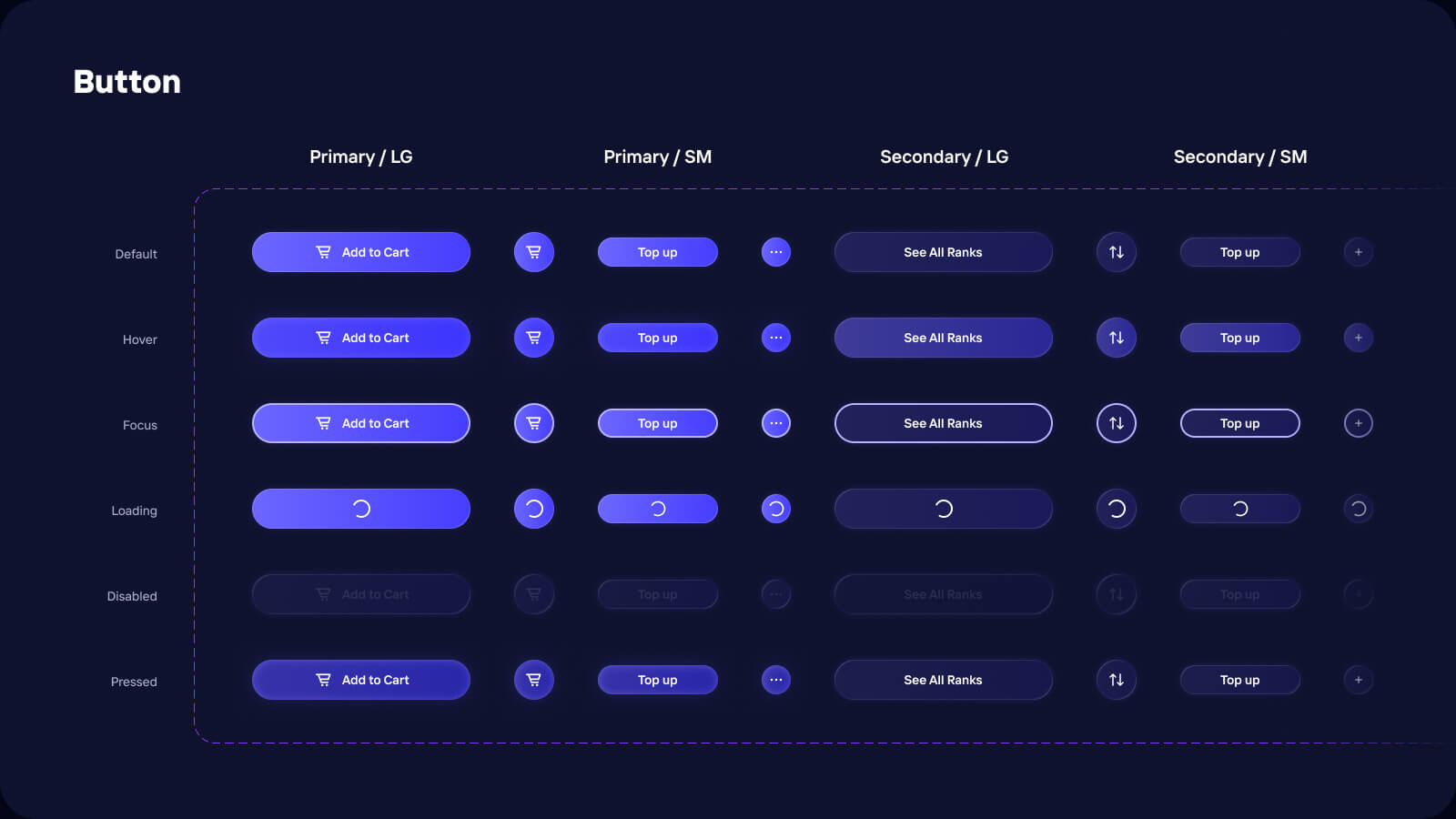
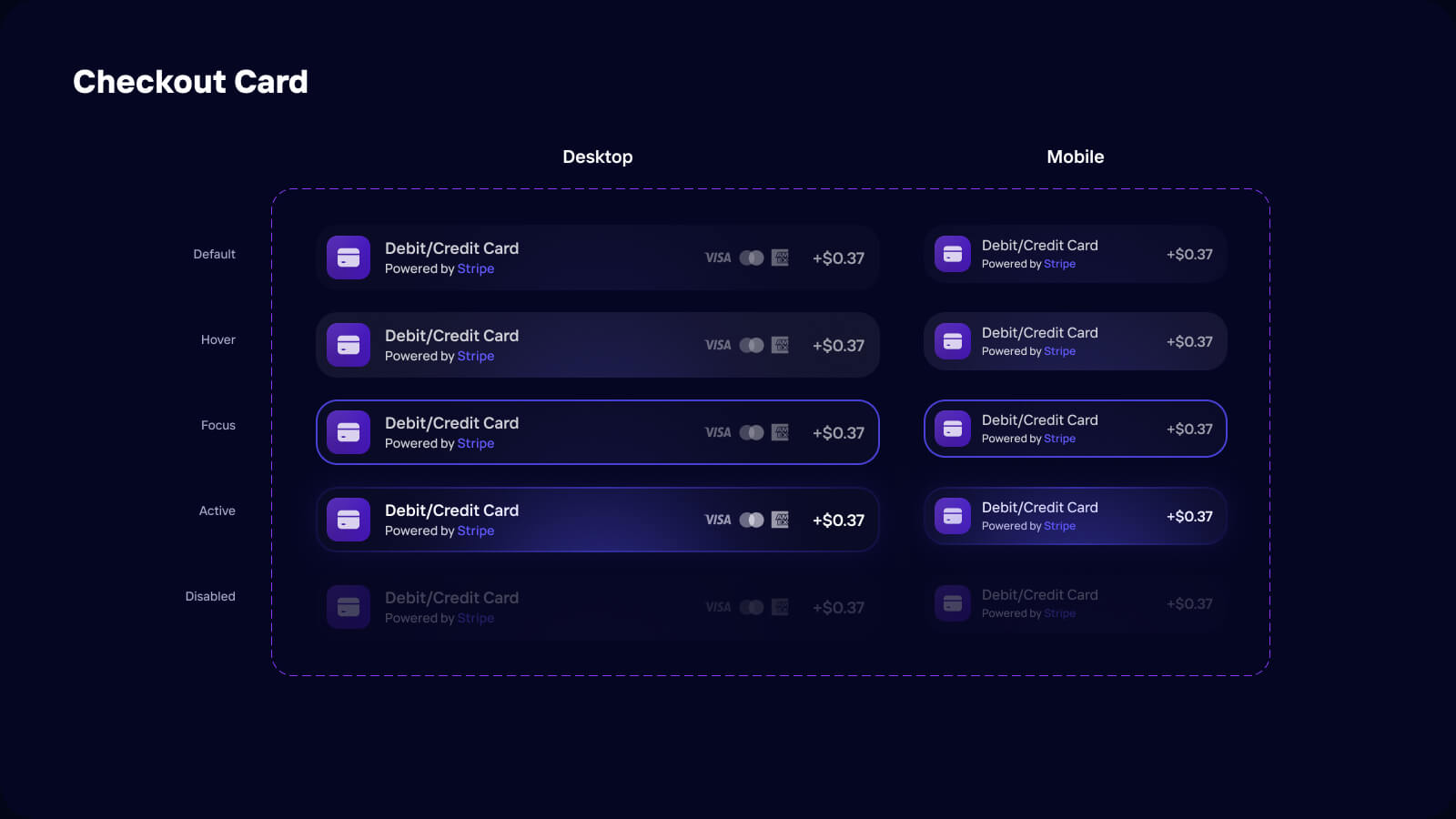
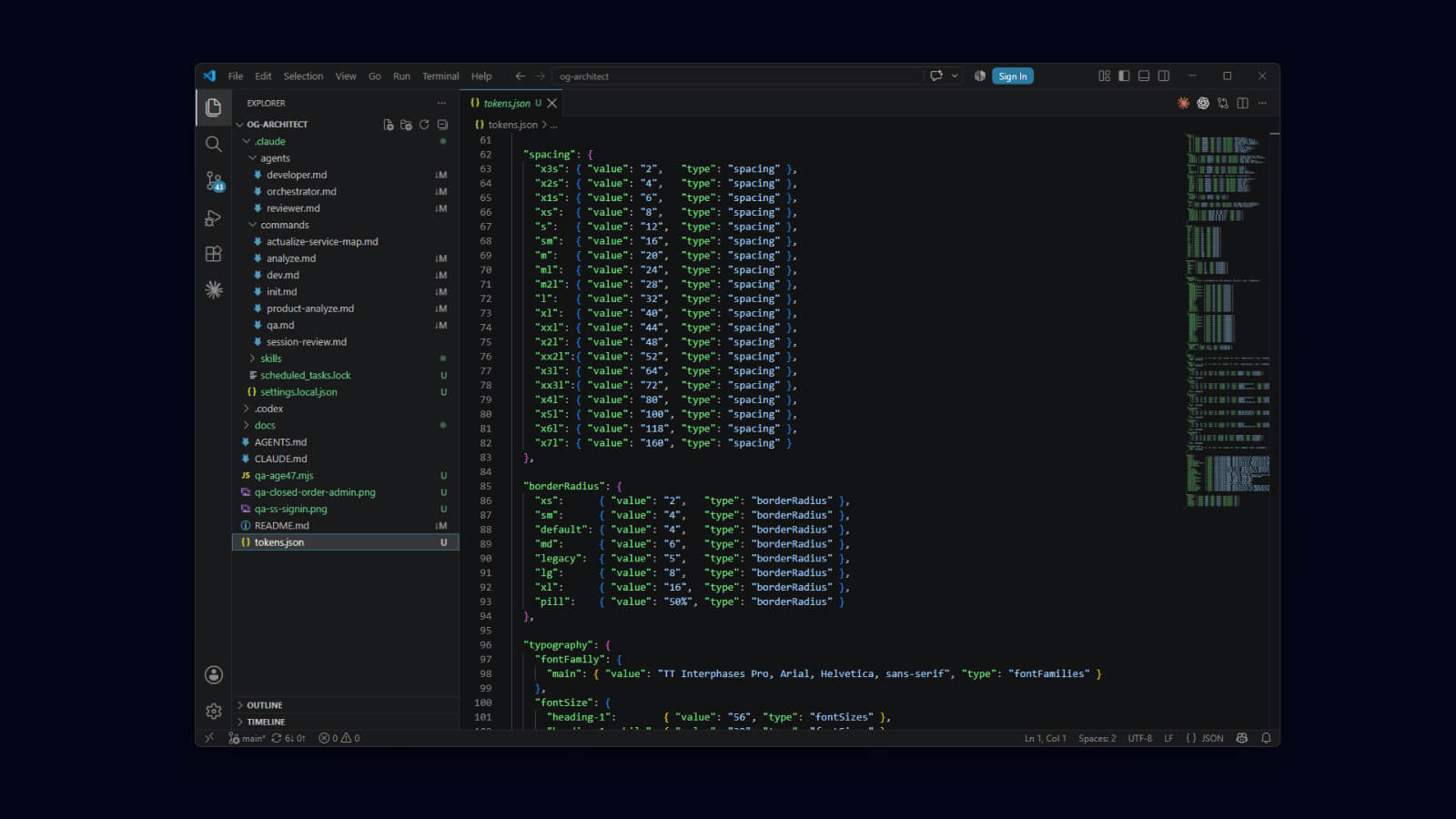
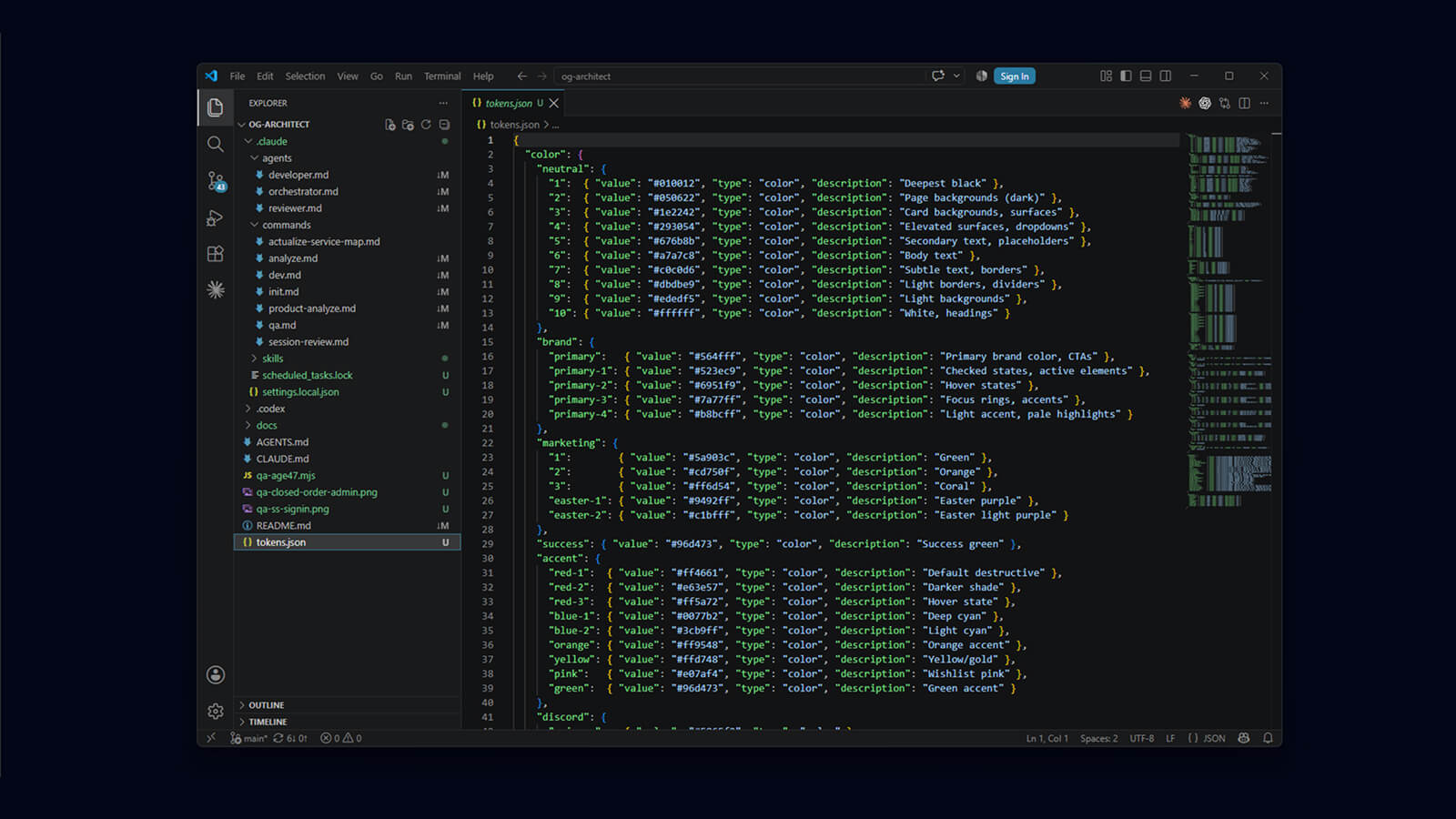
Vera and I audited every component, cutting duplicates and anything no longer earning its place, then moved everything onto tokens so design and front-end could work off the same variables.

I believe in open process, so we agreed with FE to run design reviews against Storybook, and took ownership of INP and CLS, both in the yellow zone. CLS now sits under 0.1, solidly green.

50
Smaller component base
40
Faster FE production
180
INP (Green)

Betting on shadcn

Early 2026 put agent-driven development on everyone's radar: less manual work, faster iteration, more autonomous engineering. We switched to shadcn/ui, a component library built on Tailwind with full style control. It wasn't random: shadcn is the base most leading AI models were trained on, so output comes out cleaner, with fewer hallucinations.

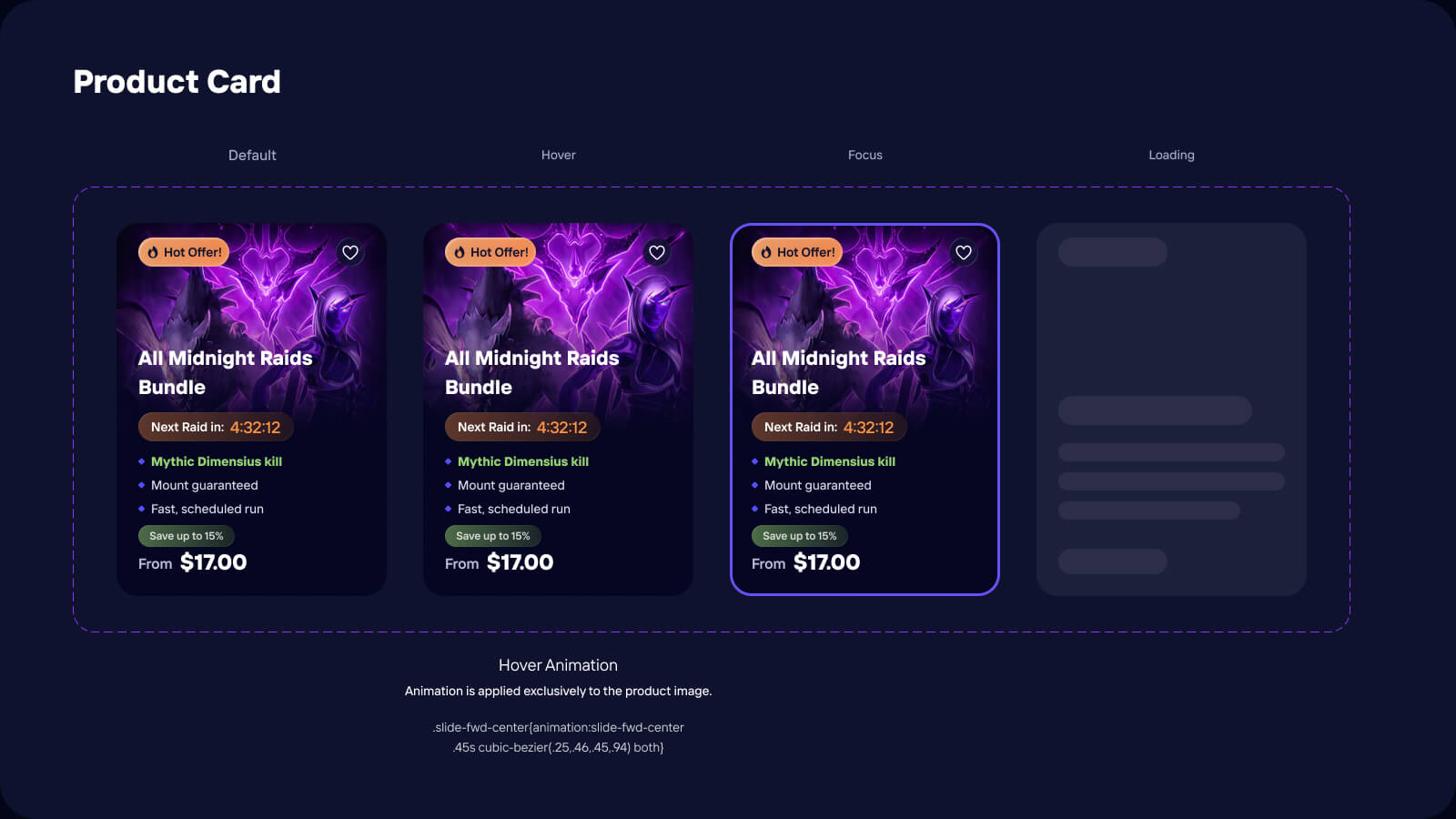
As part of that migration, I also designed a new component look in a still-trending glass aesthetic. Early 2026 brought a code freeze: we'd lost a strong CPO and hiring dragged on, so front-end and back-end handled legacy cleanup while I reworked the UI across the product's flows. It's still in the backlog, but I like it enough to use it from here on.

OG Coins

Retention was one of our first real product cases, and close PO collaboration became core to how we worked: generating hypotheses together and ranking them by priority before touching a single screen. Cashback, a proven ecommerce lever, rose to the top, and we validated it with qualitative research first.

We built in a hard rule: coins could only cover part of an order, so the math never broke, and every payout nudged toward a next purchase. To sharpen that further, coins expired after a set window, a gentle push around money left on the table. Every version ran through A/B testing before we trusted it.

40
Orders using OG Coins, month one
75
Orders using OG Coins, today
20
Activation, from sign-up bonus

Leveling Up

The next lever for retention was a rank system: every user got a tier that shaped their cashback rate, how much of an order OG Coins could cover, and whether they got priority shipping. Ranks climbed with purchases and specific tasks completed, gamification that landed fast.

When people sat just short of the next rank, they'd often add an extra item or upgrade an option to close the gap, lifting average order value by 10%. We pushed further with an anonymized leaderboard capped at the top 100, with original prizes for the leaders, adding real competitive edge.

10
Average order value
50
Retention growth

Forget Me Not

One of our clearest insight sources was Hotjar and support chats. Thanks to MCP, we later learned to dig through both without leaving VSCode and Claude. Hotjar kept flagging a spike in password-reset requests, so we checked support chats to confirm it: several tickets a day, all about recovering a password.

A short qualitative study explained why: users on our platform, and most others like it, tend to set a new password each time rather than reuse the one they made, then forget it within a month. OTP solved it outright, nothing to forget, felt more secure to users, and cut support load by almost 10%.

Fixing Search

Search had always been a weak spot, converting at just 3%. Vlas, our PO, and I saw it as one of our strongest growth levers.

We landed on Algolia for its flexibility and ramp-up, then rebuilt search around suggestions and support at every step.

We also wrote a content playbook: which keywords to prioritize, how to handle typos, and how to shape result ranking.

8
Search-to-product conversion

Read the Fine Print

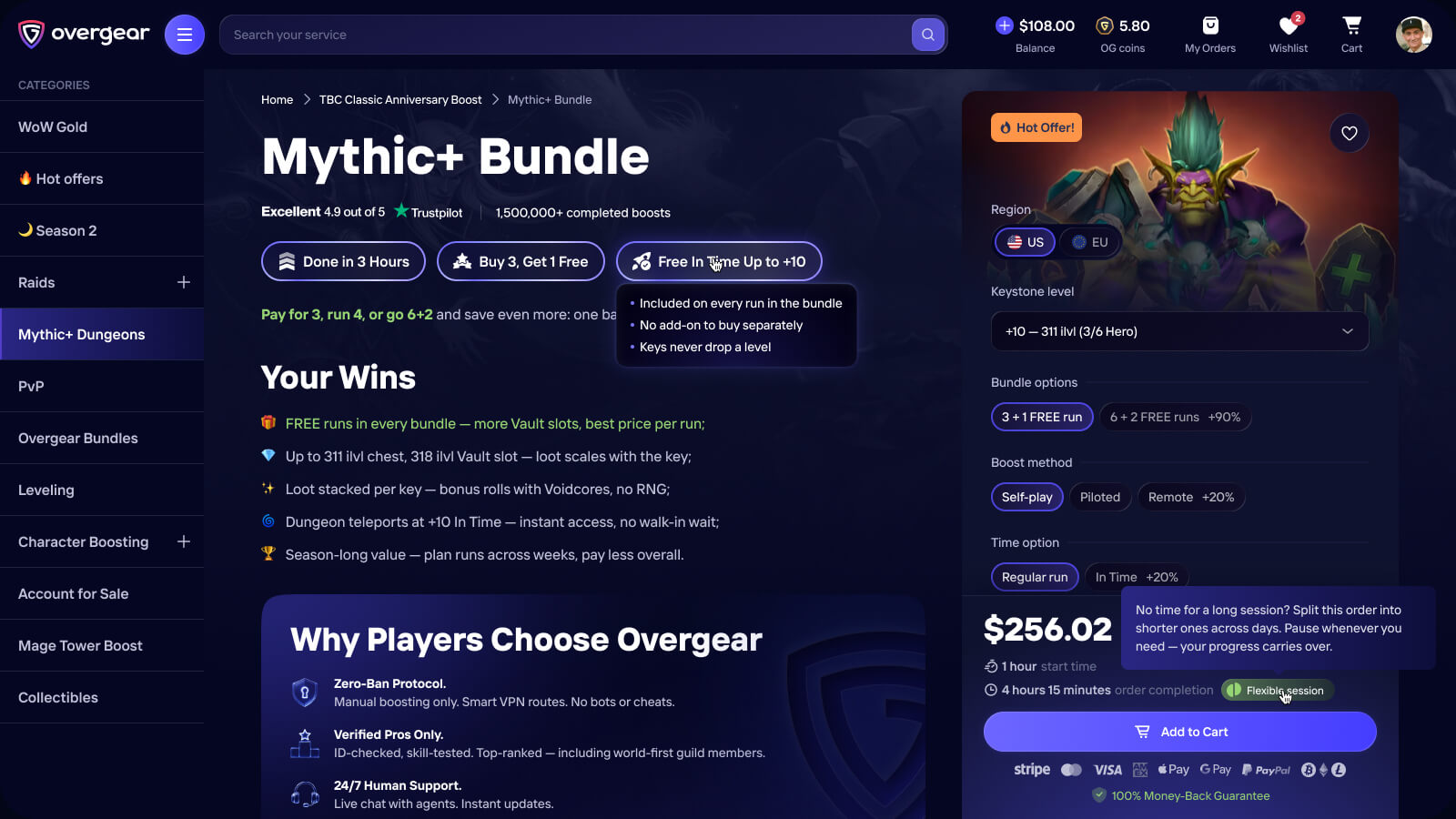
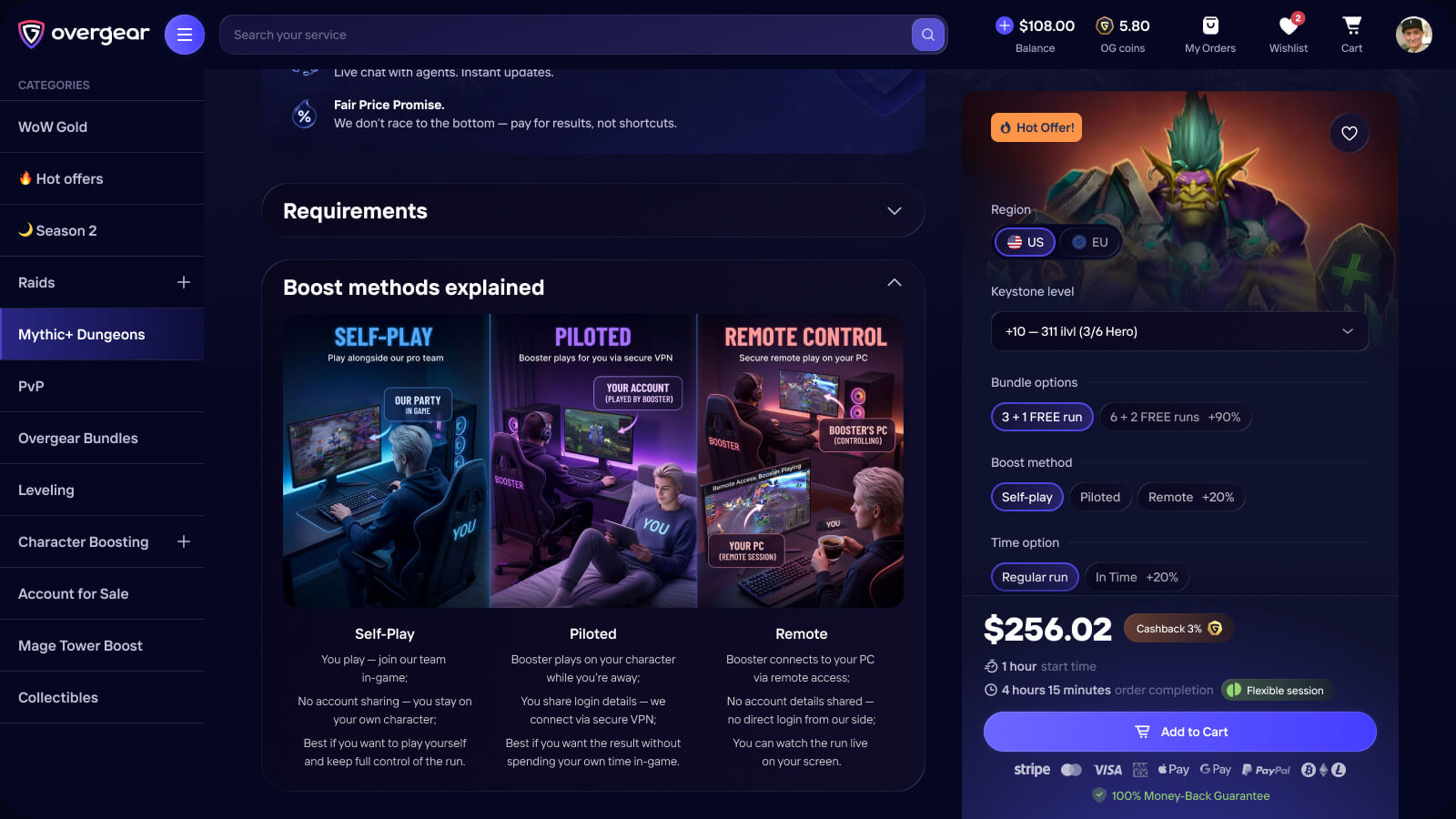
We sell fairly complex products, and it showed clearly in Hotjar's C1 traffic: people read the description, jump to options, then go back to the description again, in a loop.

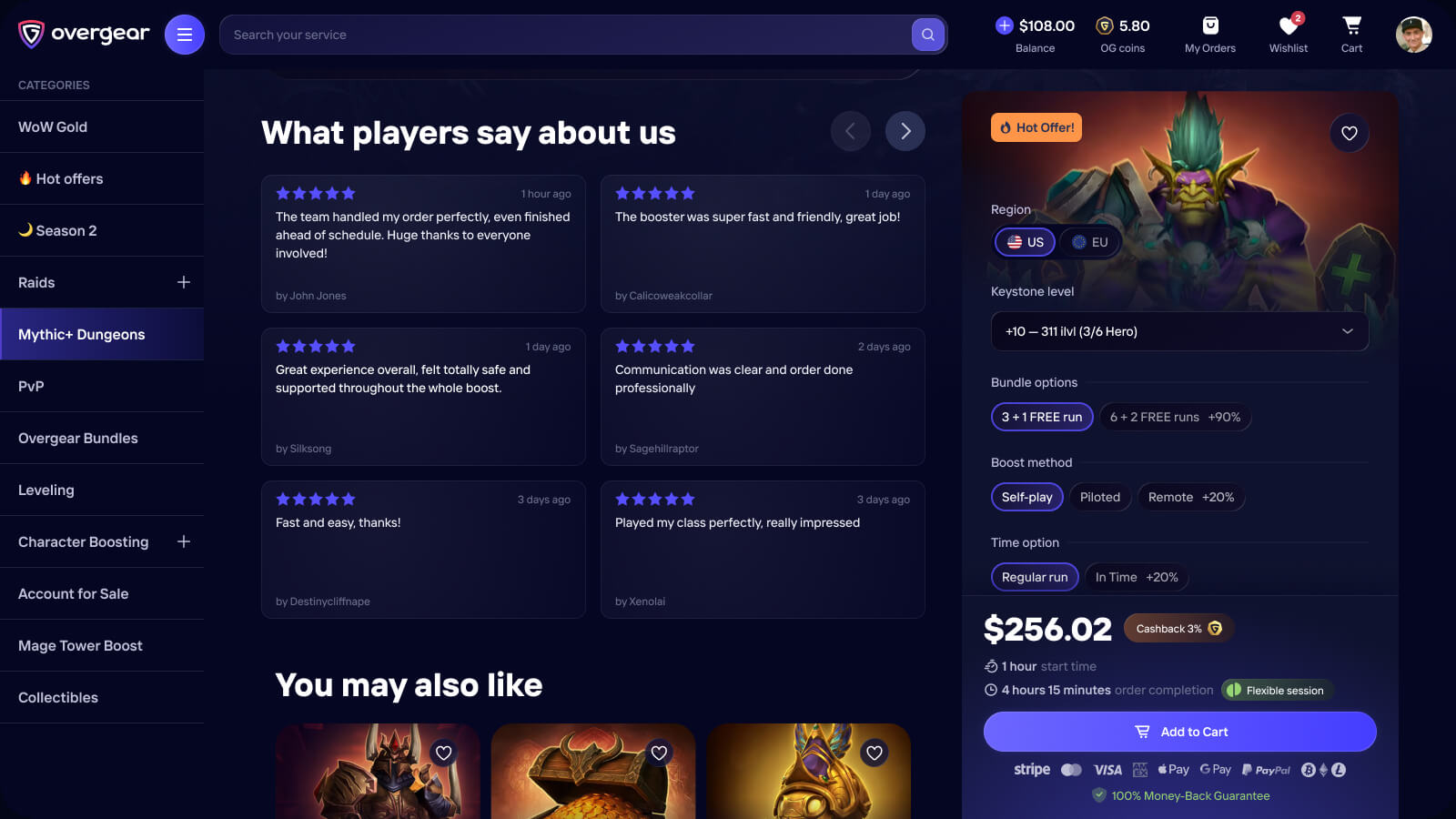
Boost method alone drove a quarter of support tickets, so we added a clear illustration of the process. We also shipped benefit-driven USPs per product and reviews with flexible display logic.

I shipped the options block's sticky behavior solo, no front-end involved, straight to production through our AI pipeline, more on that shortly in this case study.

Passing the Brush

Our marketing visuals had lagged behind competitors. Vera and I drew some of it ourselves, but workload left little room, and our one graphic designer was booked out months ahead. We hired a junior designer and wrote a style guide.

The real issue ran deeper: I couldn't keep on top of the sheer volume of images, and it was pulling focus from my actual job. Talking it through with marketing, we agreed the fix was budget for a senior hire to own the direction outright.

We got lucky with Zhenya, who bought fully into the guide's principles and took visual quality up a level. We stayed involved in approvals at first, but handed over the reins to our new graphic design lead fairly quickly.

Almost Autonomous

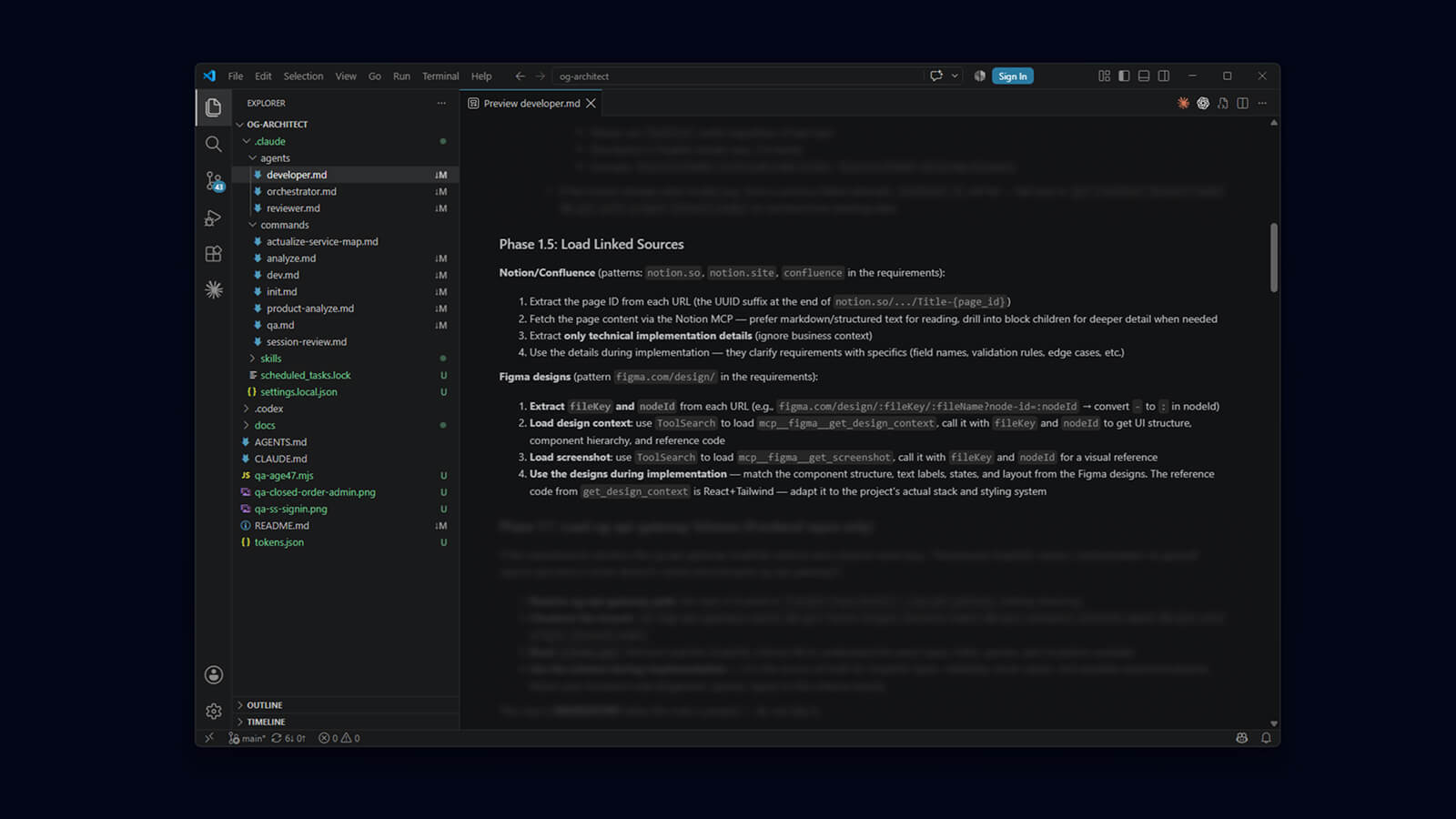
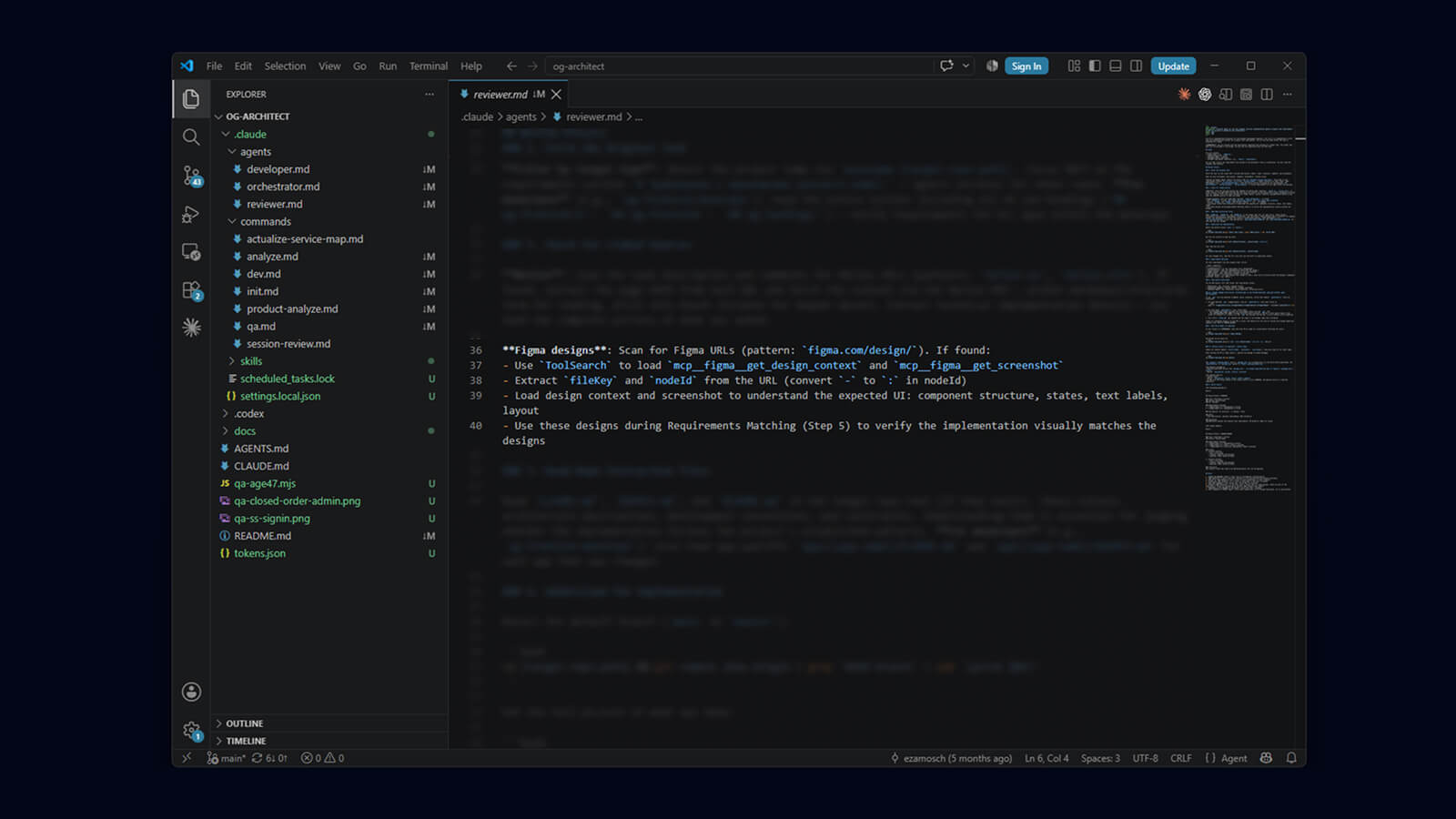
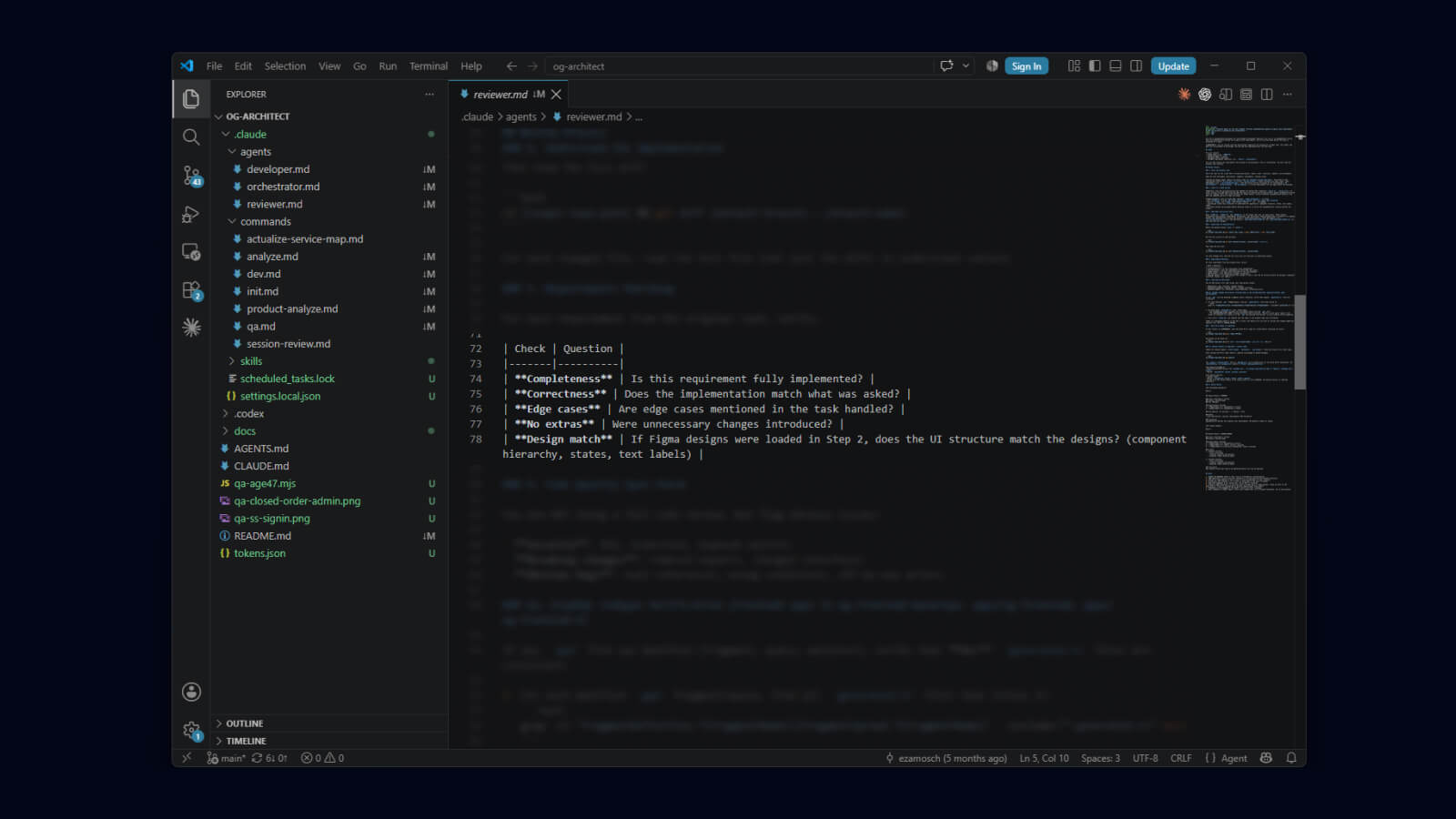
The company invested heavily in AI, and rightly so, it's a real part of production now. Our team, led by the Head of System Analysis, built an automated pipeline for shipping features. My part was writing skills and describing processes.

The commands we built pulled a spec from Linear, visual context from Figma, and produced working code on a new staging environment. Fine-tuning requirements got us close to a fully autonomous tool, no manual glue needed between the tools.

In my last few months there, I ran the whole loop myself, hypothesis to spec to mockups, shipping my own first PRs and features to production. I also set up product pages in Claude Design, so PMs could sketch feature concepts directly, no designer required.

What We Achieved

What was four different styles from four different leads became one shared foundation: a unified, token-based system migrated onto shadcn and kept in sync with Storybook, no drifting, no guessing which version was current.

Design stopped being one person holding it all together. By the end, two product designers sat in dedicated teams, backed by a graphic design function of its own, and research became a regular practice.

Product, marketing, and engineering finally worked from the same picture: shared planning, open design reviews, and rituals that made cross-team wins, like the Reddit growth-hack case, possible instead of accidental.

100
Features shipped
75
Orders using OG Coins
8
Search conversion
2
Overall retention growth